
Our Sectors
Explore our areas of focus in renewable energy, agri-food systems, and water and sanitation. These solution areas provide a starting point for future project partnerships.
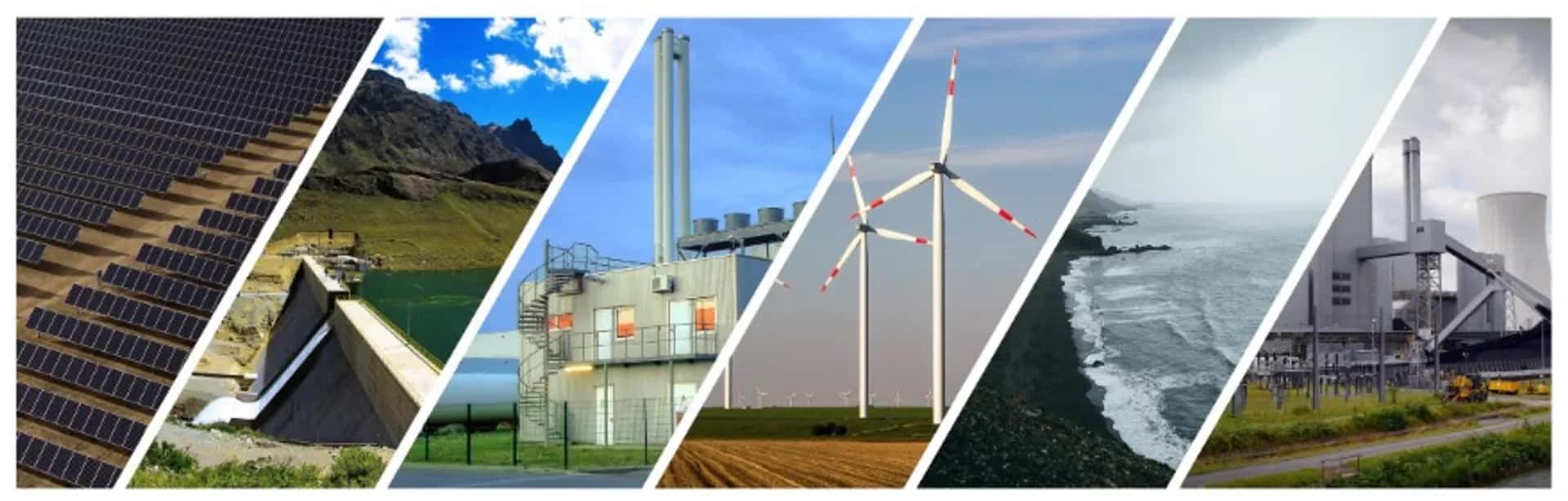
Renewable Energy
Empowering Communities through Clean, Scalable Power Solutions
This focus area considers renewable energy infrastructure suited to local resources, energy demand, climate goals, and community priorities. The options below are capabilities to explore with qualified delivery partners, not a list of completed projects.
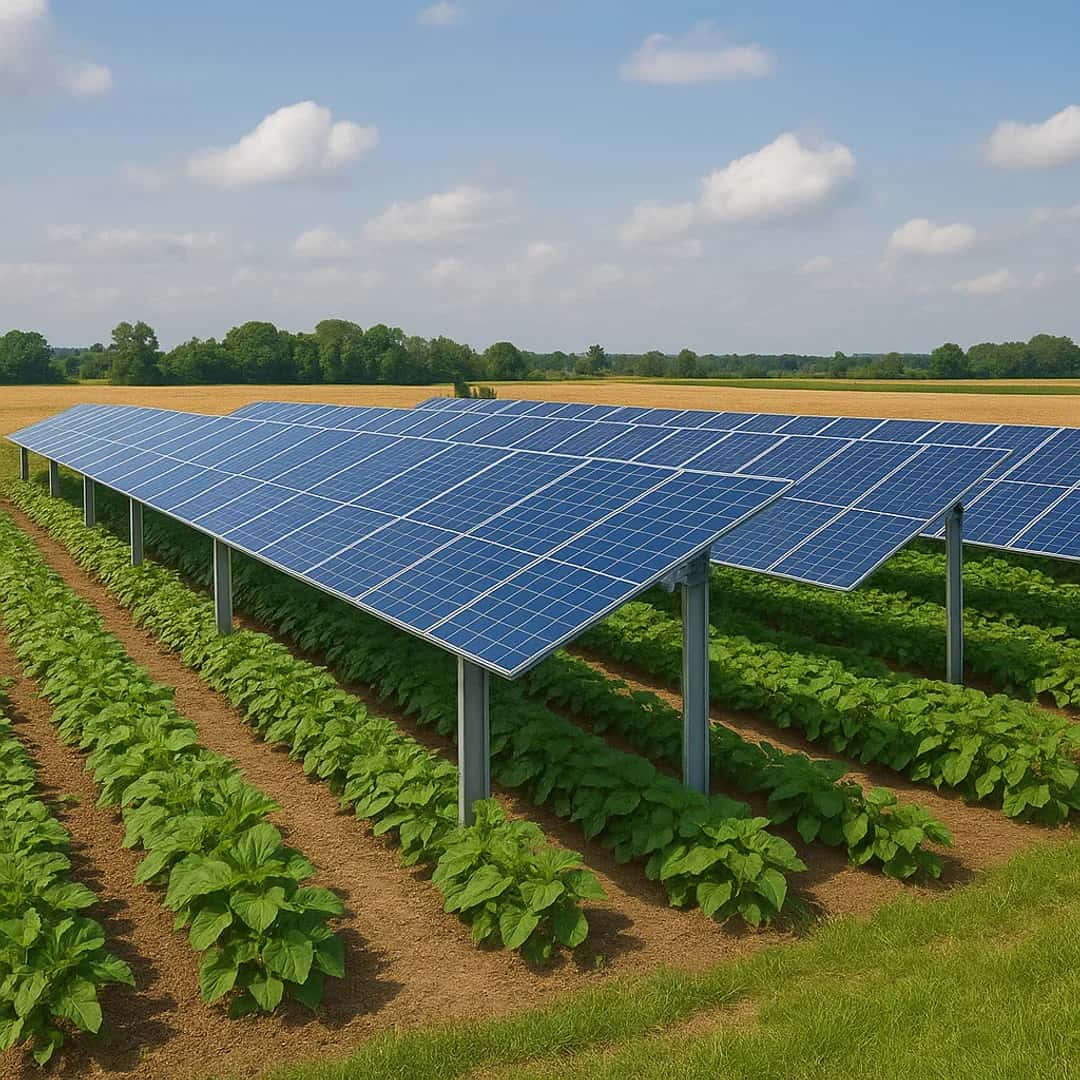
Agri-voltaic Power
Agrivoltaic concepts combine solar photovoltaic panels with agricultural production. A feasibility study can assess land use, crop conditions, water needs, energy demand, and potential income pathways before a system is proposed.
Potential Benefits:
- Dual land use optimization
- Enhanced crop protection
- Reduced water evaporation
- Additional income streams
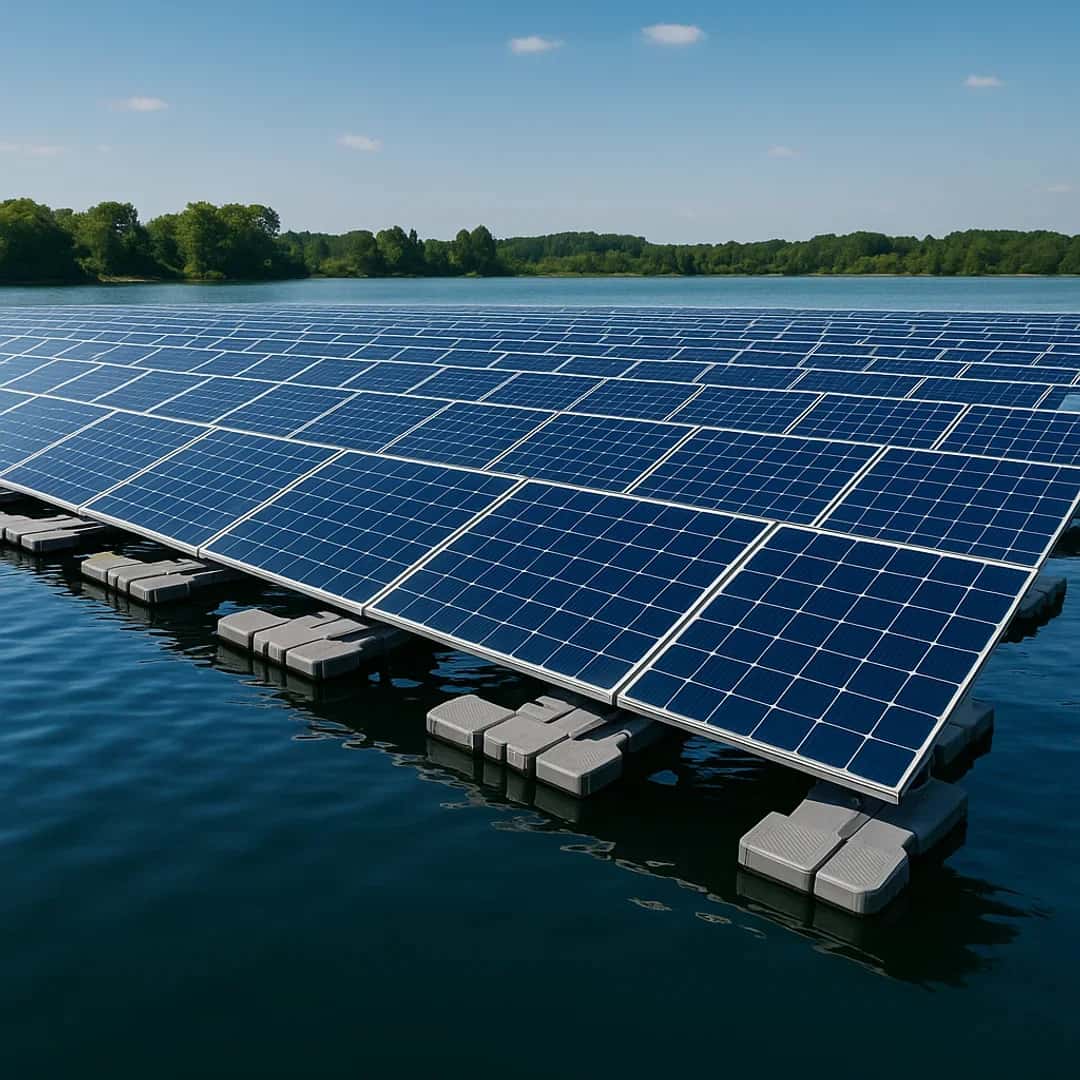
Floating Solar Power
Floating photovoltaic systems may reduce competition for land and can be assessed for reservoirs or other suitable water bodies. Site conditions, water use, ecology, permitting, and maintenance requirements determine whether the approach is appropriate.
Potential Benefits:
- Efficient land use
- Improved panel efficiency
- Water conservation
- Reduced environmental impact
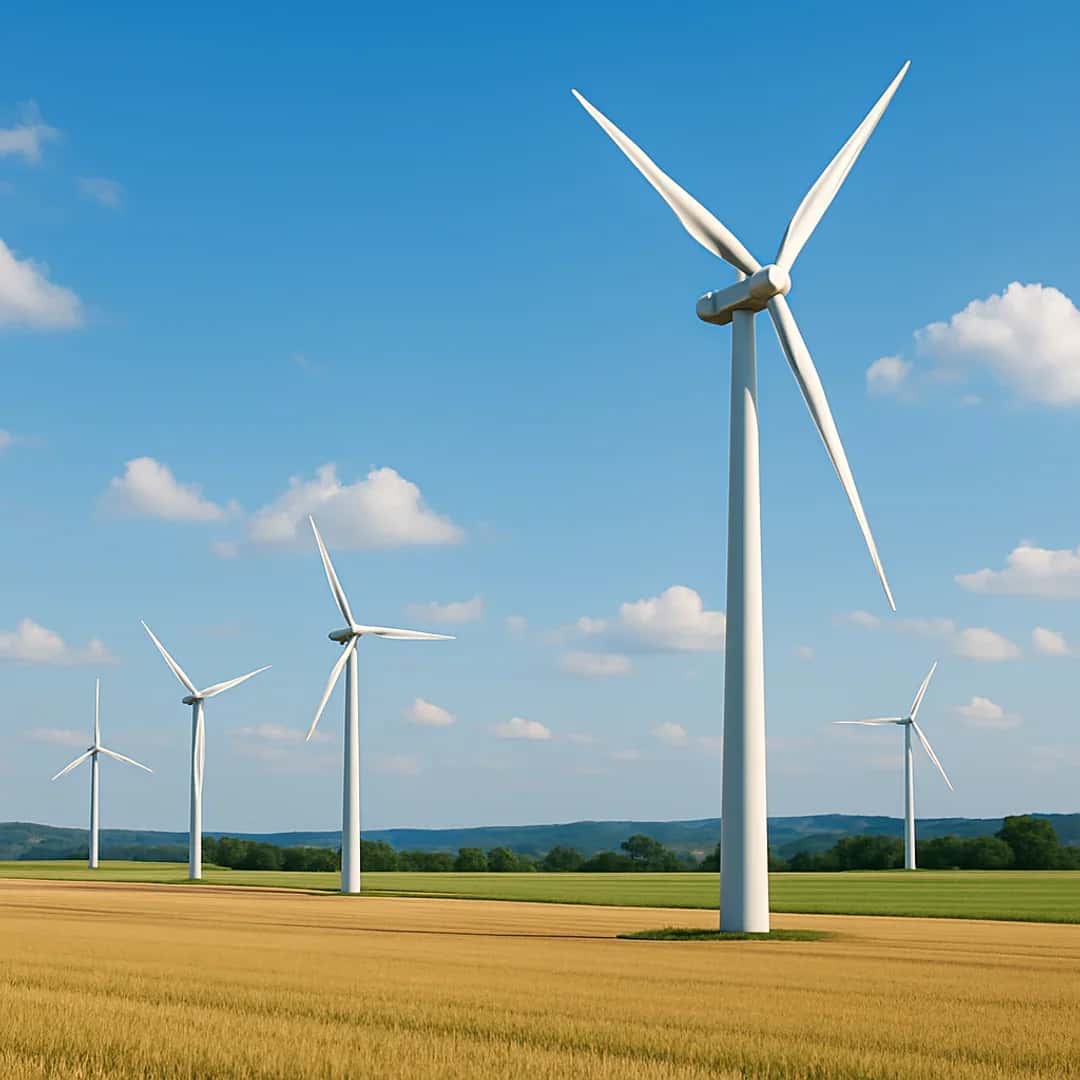
Wind Power
Potential onshore or nearshore wind initiatives begin with resource assessment and may include grid, environmental, regulatory, community, procurement, and installation planning with specialist partners.
Potential Benefits:
- Clean energy generation
- Grid integration expertise
- Community engagement
- Long-term sustainability
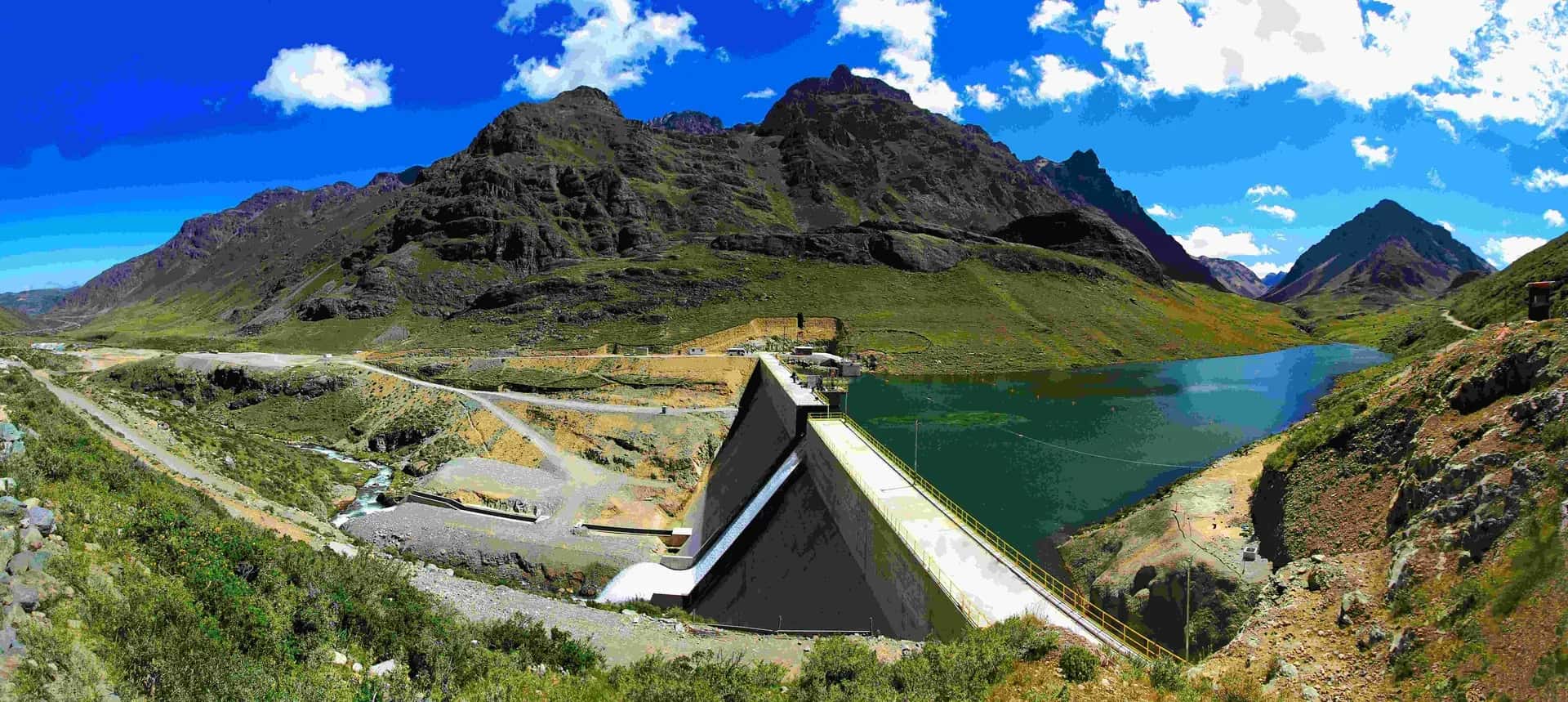
Hydro Power
Micro, mini, and small hydropower may support rural electrification or industrial demand where water resources and environmental safeguards permit. Run-of-river and reservoir options require detailed technical and ecological assessment.
Potential Benefits:
- Reliable power generation
- Rural electrification
- Ecological protection
- Sustainable water management
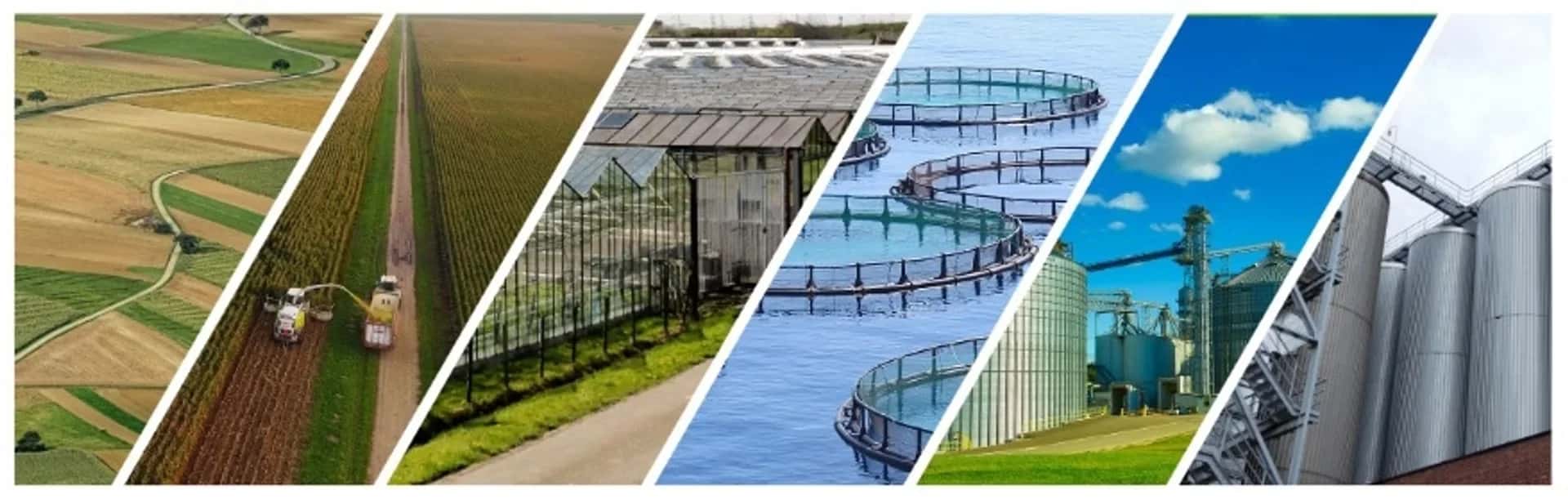
Agri-Food Processing
Transforming Agricultural Value Chains for Sustainable Food Security
This focus area explores production and processing systems intended to strengthen food resilience, resource efficiency, and local economic participation. Each option requires location-specific technical, market, and environmental assessment.
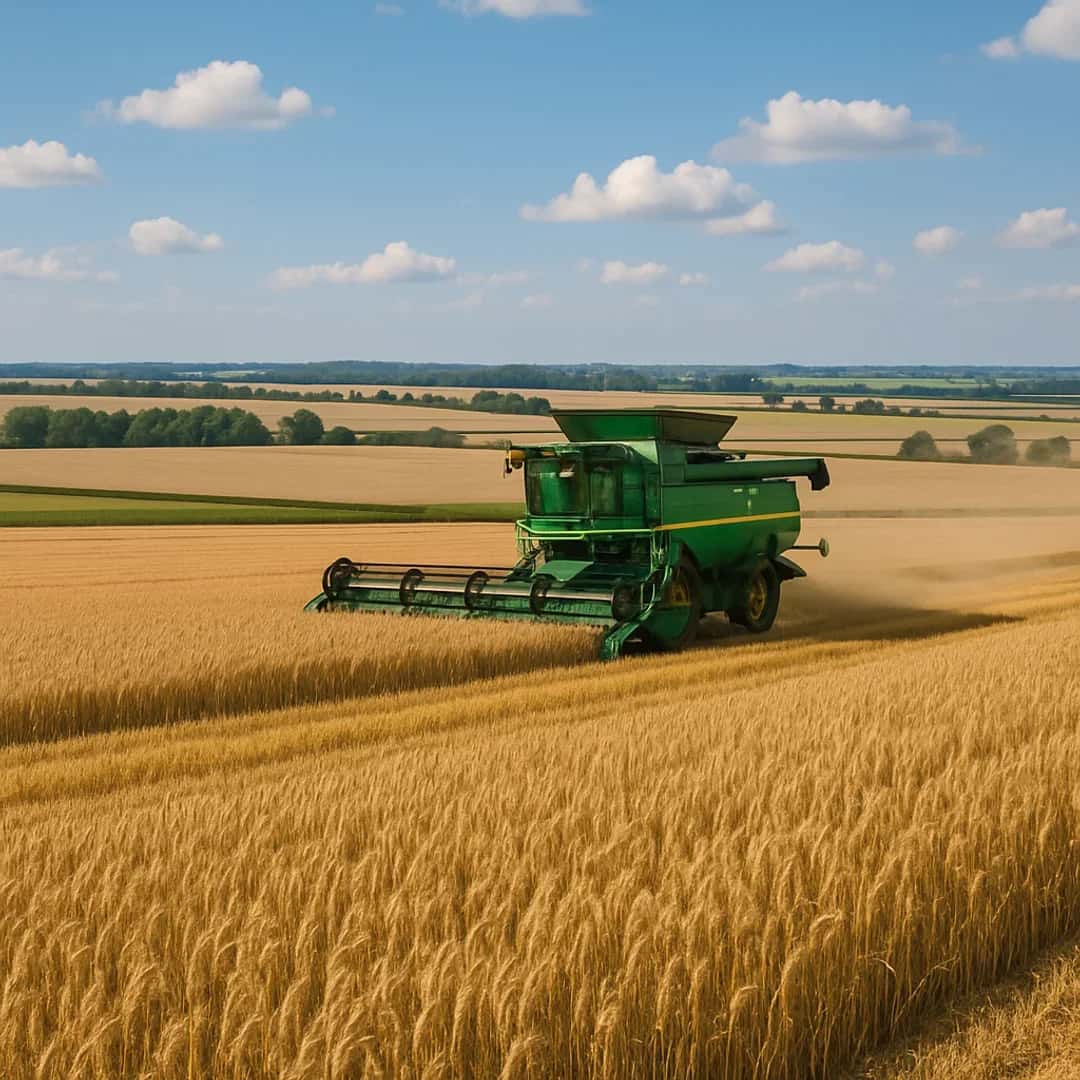
Industrial Agriculture
Large-scale agriculture concepts can combine appropriate technology, resource planning, and locally suitable practices. Productivity and environmental outcomes must be evaluated for each site.
Potential Benefits:
- Increased productivity
- Sustainable practices
- Technology integration
- Economic development
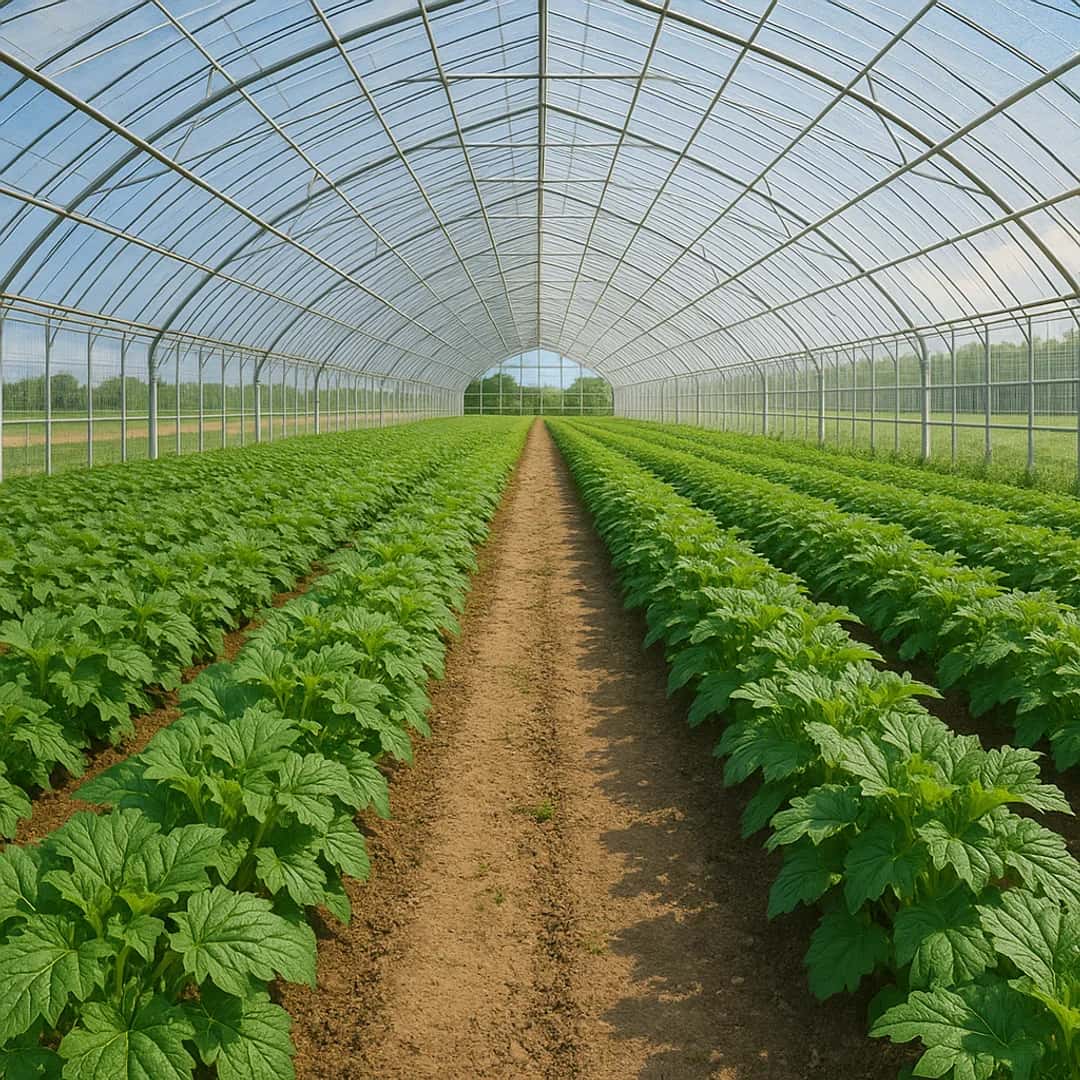
Greenhouse Farming
Controlled-environment agriculture can support more predictable production and targeted use of water and crop inputs when climate, energy, market, and operating requirements are suitable.
Potential Benefits:
- Year-round production
- Resource efficiency
- Quality control
- Climate resilience
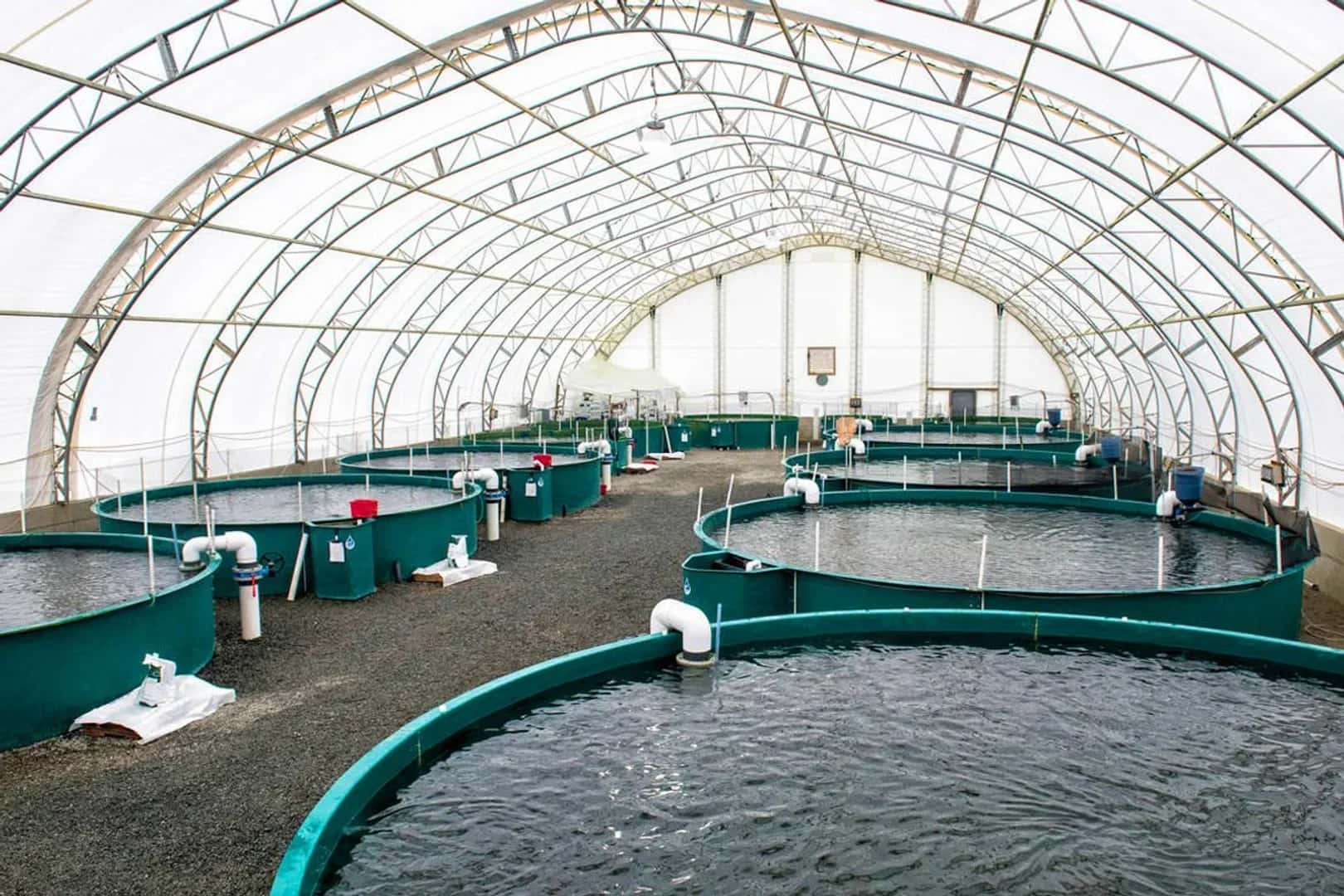
Aquaculture
Aquaculture concepts can expand local food production when water quality, feed, animal health, waste management, and ecosystem safeguards are built into the design.
Potential Benefits:
- Sustainable protein source
- Ecosystem protection
- Economic opportunities
- Food security
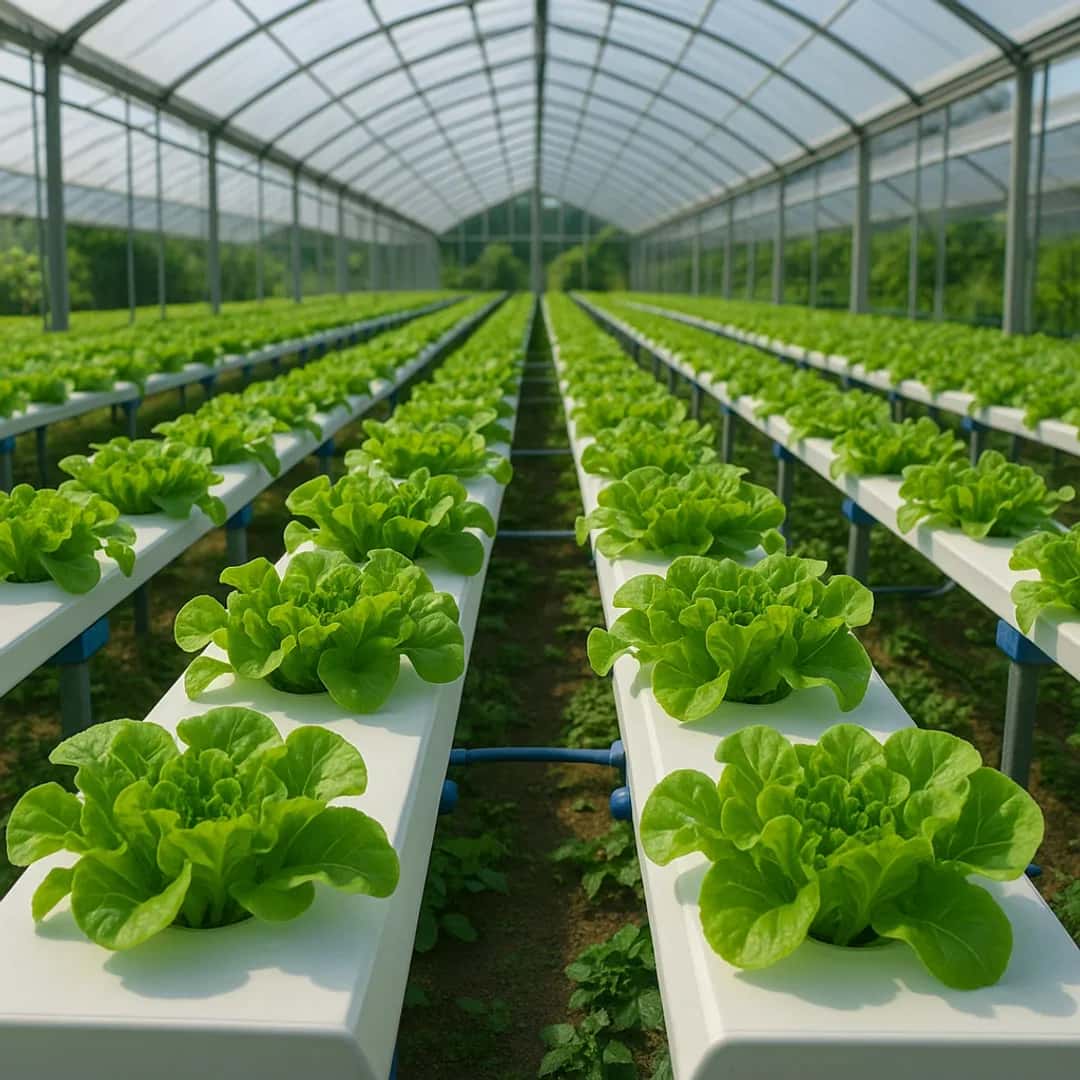
Hydroponics
Soil-less growing systems can make efficient use of space and recirculated water. Crop choice, energy, nutrient management, operator skills, and market access determine feasibility.
Potential Benefits:
- Water efficiency
- Space optimization
- High yields
- Urban farming potential
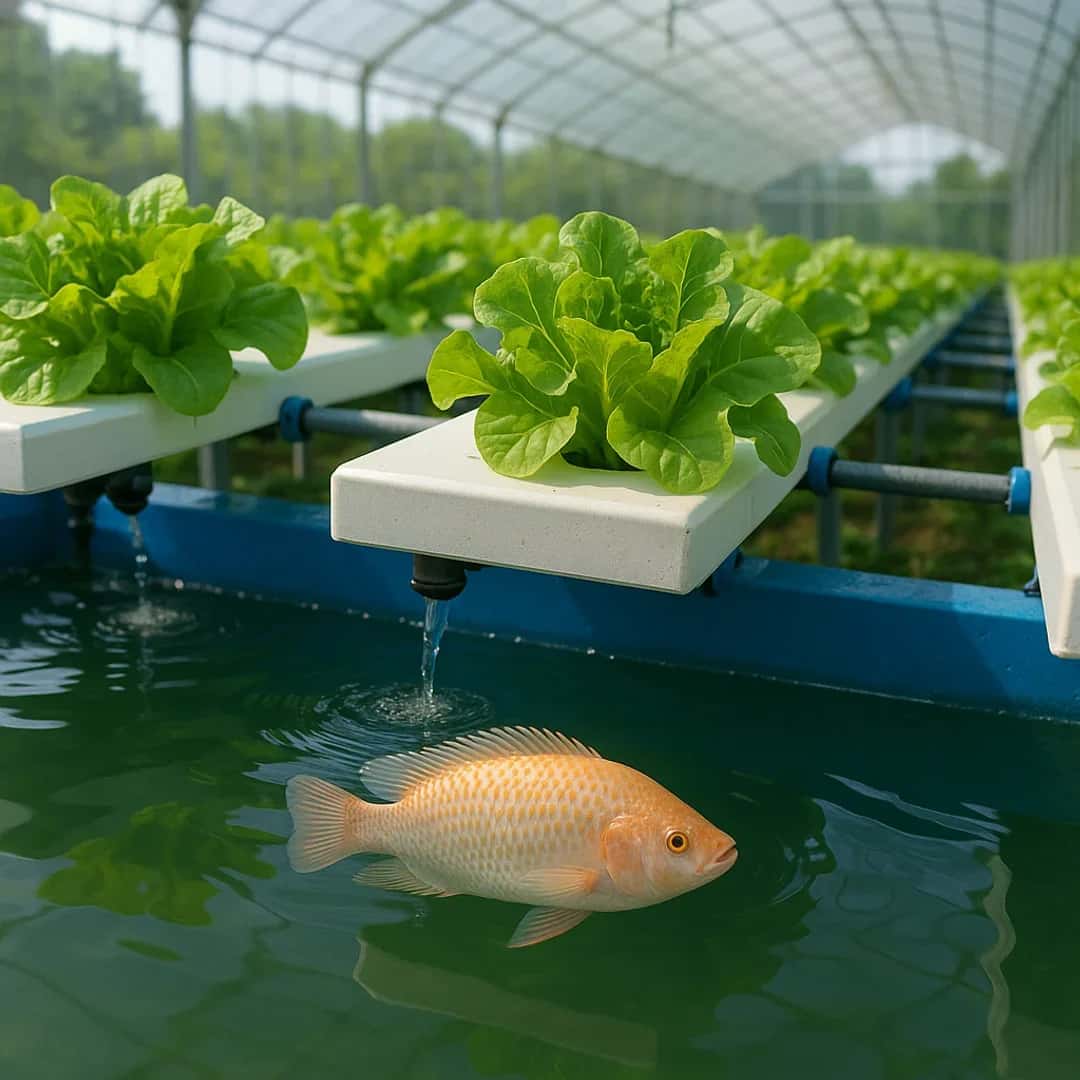
Aquaponics
Aquaponics combines fish production and soil-less growing in a recirculating system. A viable design depends on careful biological balance, reliable operations, energy, and market demand.
Potential Benefits:
- Resource efficiency
- Dual production
- Sustainable system
- Reduced waste
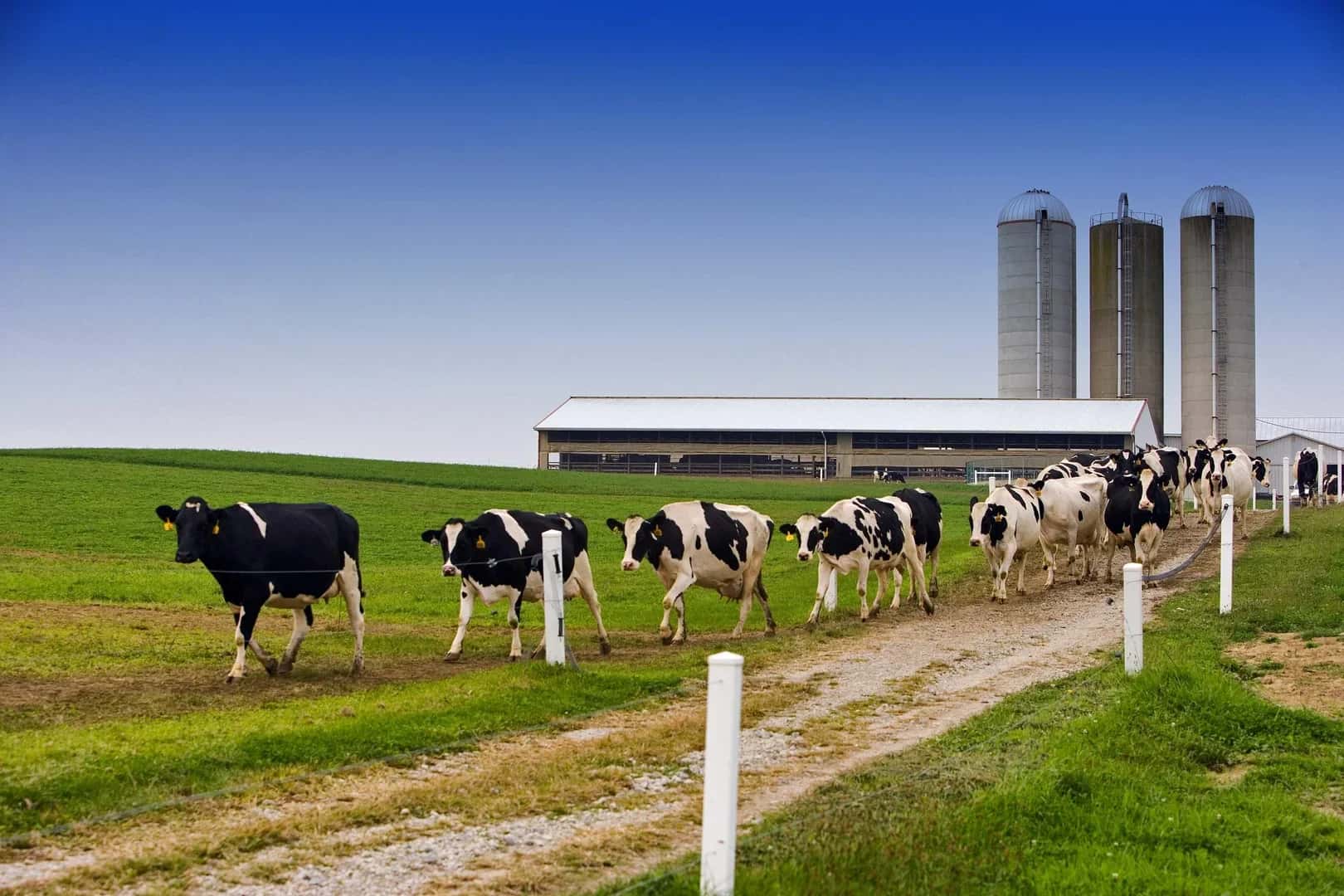
Livestock Farming
Livestock initiatives can be planned around animal welfare, responsible land and water use, waste management, local feed supply, and applicable health requirements.
Potential Benefits:
- Animal welfare
- Environmental protection
- Resource efficiency
- Quality production
Water and Sanitation
Planning for Clean Water Access and Environmental Health
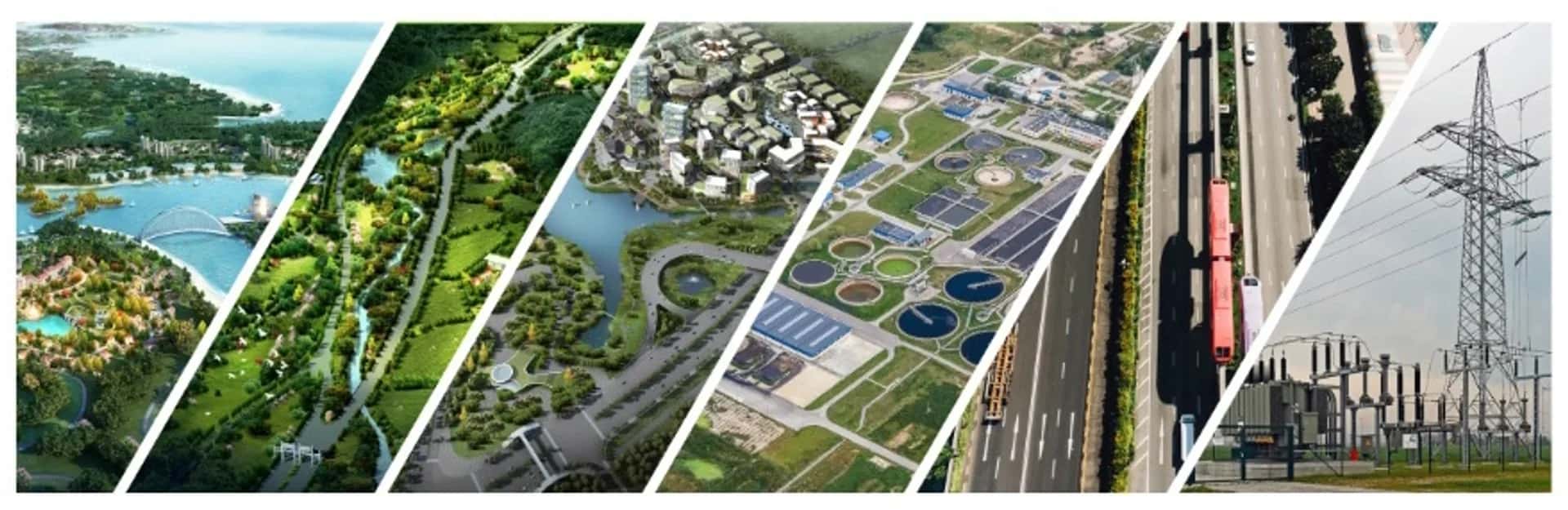
Water infrastructure supports public health, agriculture, industry, and ecosystems. This focus area outlines solutions that can be evaluated with communities, authorities, engineers, and environmental specialists.
Urban & Rural Drinking Water Systems
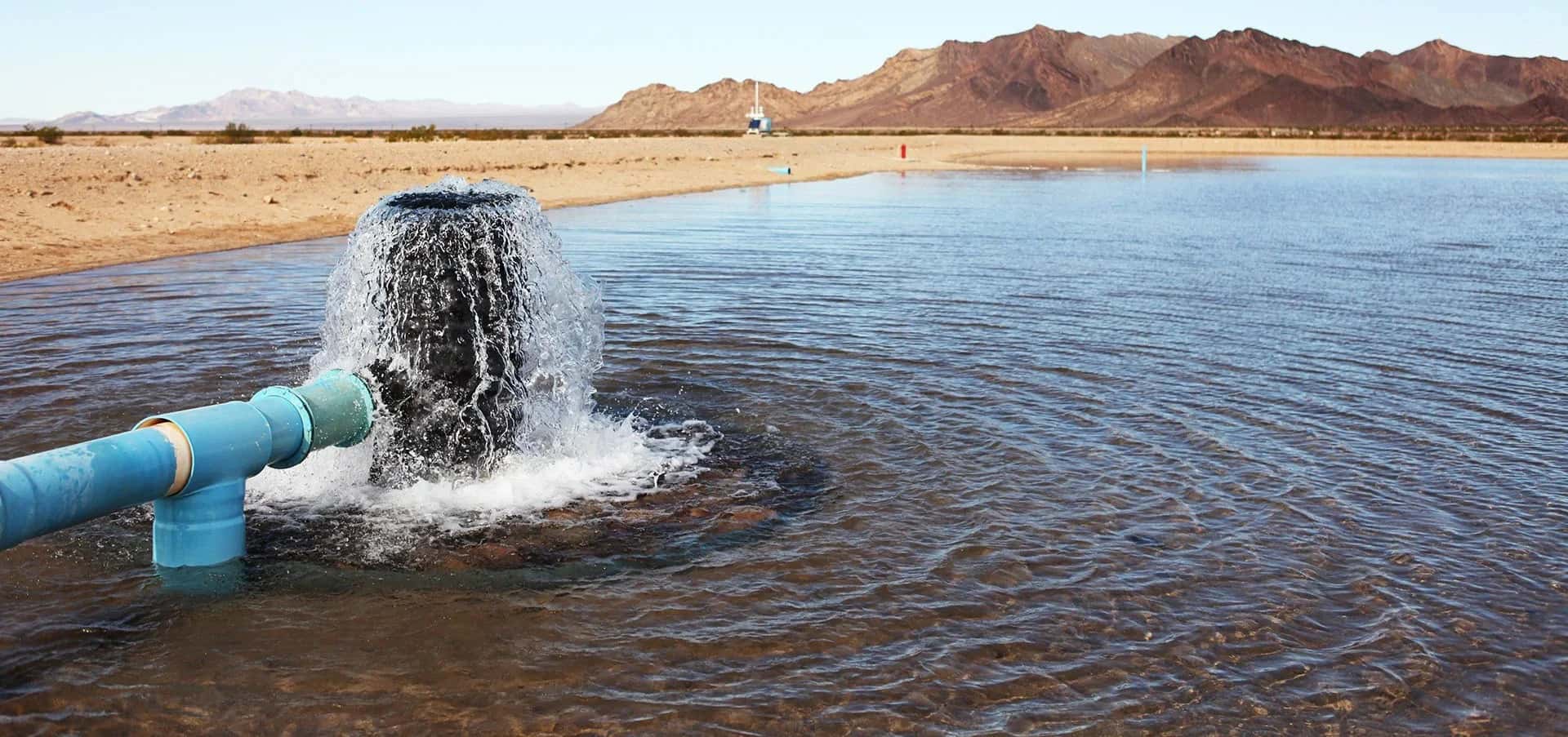
Community drinking-water concepts may draw from boreholes, surface water, or treatment plants and can include purification, storage, distribution, and metering. Source quality, demand, public-health standards, and long-term operations must guide the design.
Potential Benefits:
- Comprehensive water treatment solutions
- Smart metering and monitoring
- Community health improvement
- Sustainable water access
Common Components:
- Purification units
- Elevated storage tanks
- Pipe distribution networks
- Smart metering systems
Industrial Wastewater Treatment
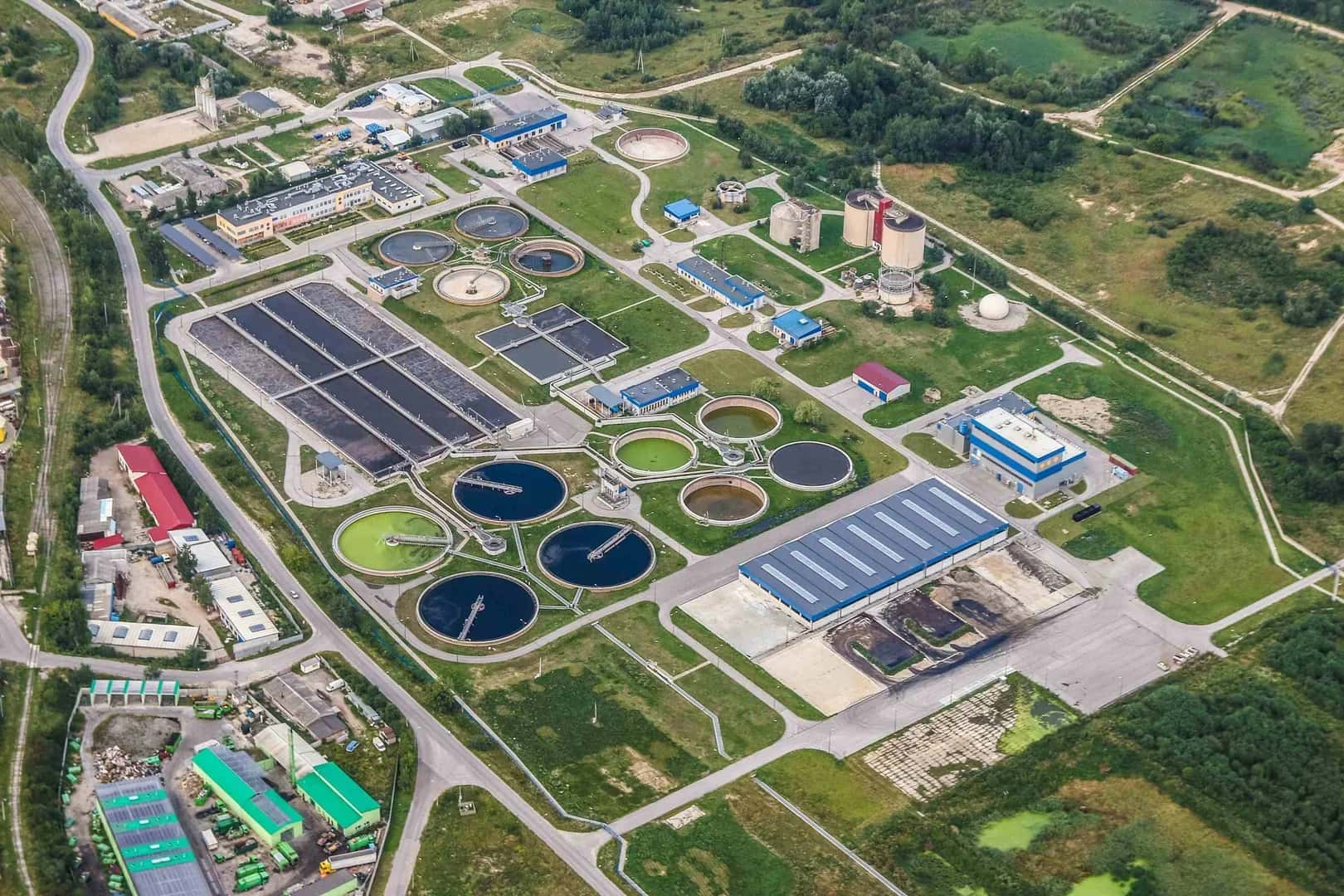
Industrial wastewater options can include centralized or decentralized treatment, reuse, membrane bioreactors, anaerobic digestion, and sludge management. The process must be selected around the waste stream and applicable environmental requirements.
Potential Benefits:
- Regulatory compliance
- Water reuse optimization
- Environmental protection
- Resource recovery
Common Components:
- Membrane bioreactors
- Anaerobic digesters
- Sludge management
- Decentralized systems
Pond & Lake Restoration
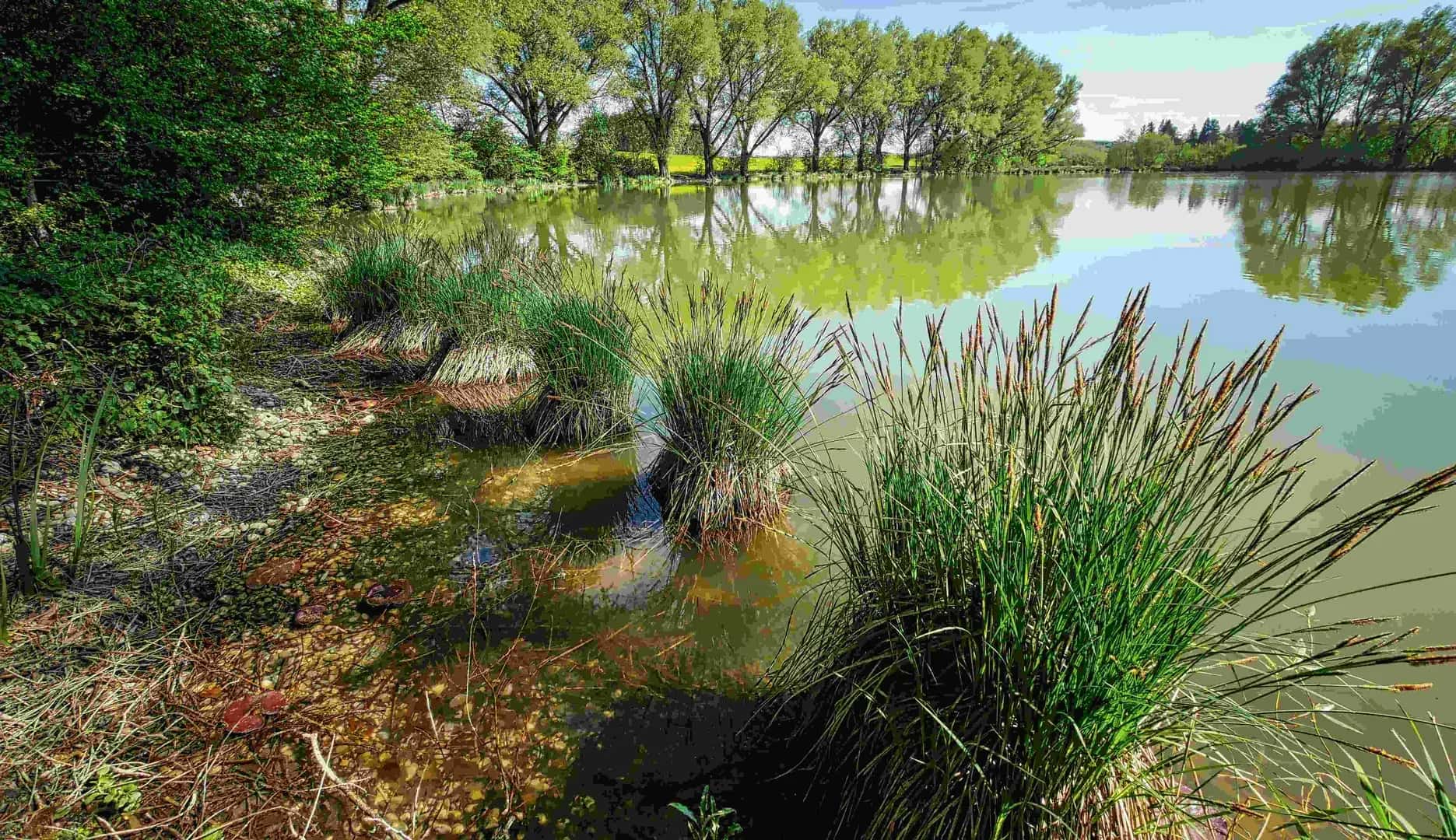
Pond, lake, and wetland restoration may involve sediment management, aeration, bioremediation, and habitat measures. Ecological assessment and long-term monitoring are essential before selecting interventions.
Potential Benefits:
- Ecosystem restoration
- Biodiversity enhancement
- Water quality improvement
- Recreational value creation
Common Components:
- De-silting operations
- Aeration systems
- Bio-remediation
- Biodiversity restoration
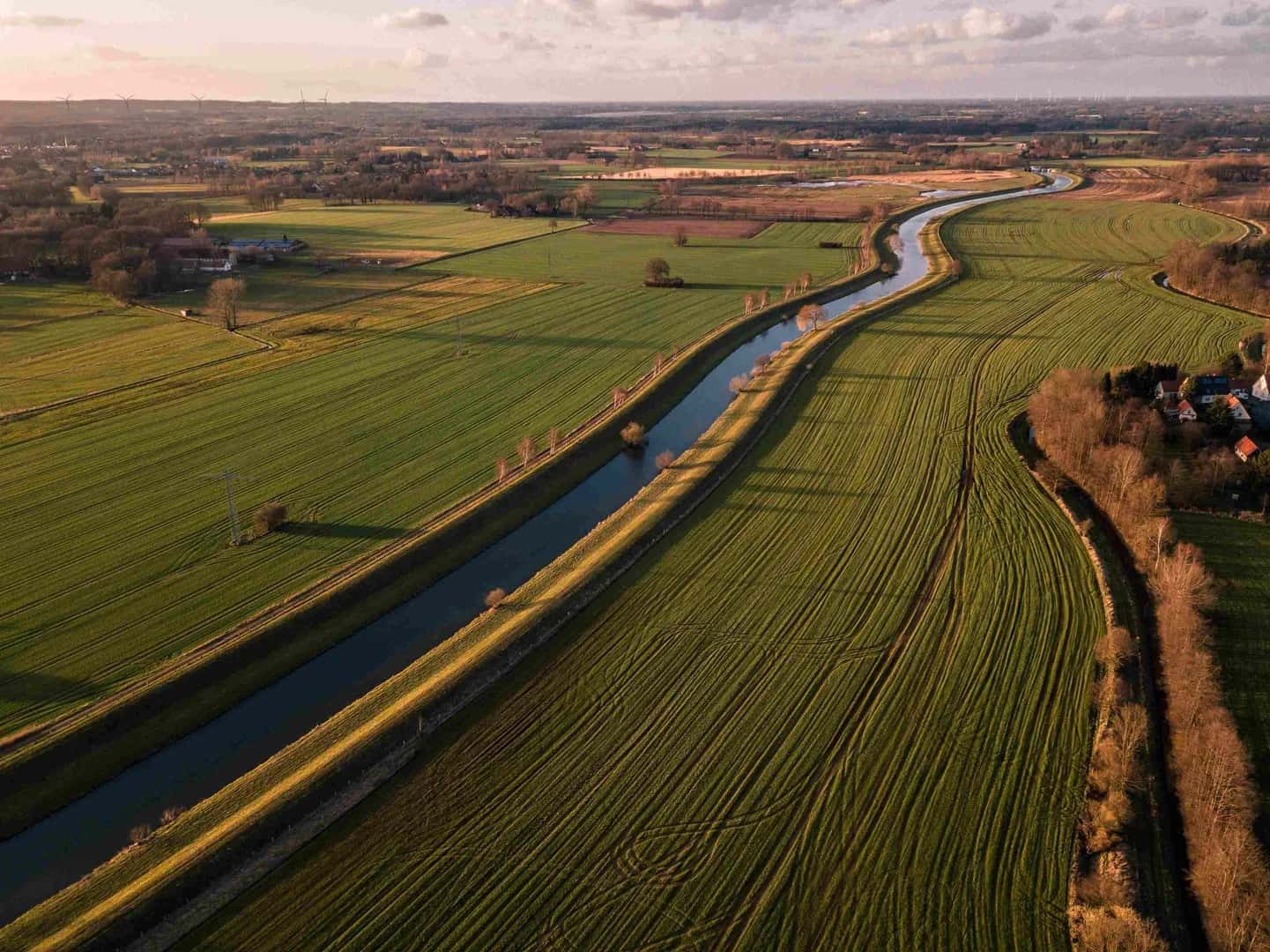
Water Delivery Infrastructure
Water-delivery concepts can include pumping stations, pipelines, irrigation canals, and stormwater drainage. Planning considers demand, energy use, durability, maintainability, climate risks, and local standards.
Potential Benefits:
- Energy-efficient design
- Durable infrastructure
- Comprehensive coverage
- Smart water management
Common Components:
- Pumping stations
- Pipeline networks
- Irrigation systems
- Stormwater management
Planning considerations
- ✓Community-based and decentralized options
- ✓EPC and public-private partnership planning pathways
- ✓Ecological and lower-energy approaches
- ✓Operations, training, and capacity-building planning